Best Drinks for Blood Sugar Support After 40
What you drink in the morning may affect your energy more than you realize.
Many adults over 40 focus on food first. They try to eat better breakfasts, avoid too many sweets, or choose healthier snacks. But drinks often slip under the radar.
A sweet coffee drink, a glass of orange juice, a bottle of sweet tea, or an energy drink can add sugar quickly. Because liquid sugar is easy to drink fast, it may affect blood sugar and energy differently than whole foods.
The good news is simple: you do not need a complicated drink routine. You only need to choose drinks that hydrate your body, limit added sugar, and fit into a balanced lifestyle.
These drinks for blood sugar support after 40 are simple, practical, and easy to add to your day.
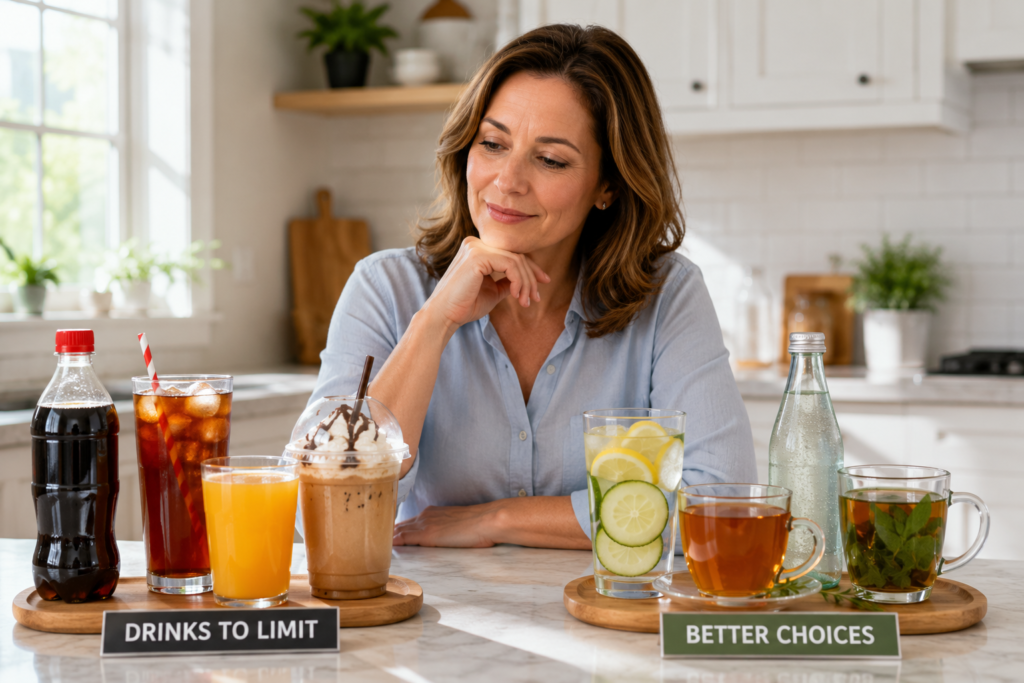
Below are some of the best drink choices to consider, plus common drinks to limit if you want steadier energy.
- Water
Water is the best place to start.
It has no sugar, no calories, and no complicated label to read. It supports hydration, digestion, energy, and overall wellness.
Many people wake up and go straight to coffee. Coffee can still fit into a healthy routine, but water should come first.
A simple habit:
Drink one glass of water after waking, before coffee or breakfast.
If plain water feels boring, try:
Lemon slices
Cucumber slices
Mint
Berries
A splash of lime
Unsweetened sparkling water
You do not need to drink huge amounts at once. Start with one glass in the morning and one glass before meals.
- Unsweetened Green Tea
Unsweetened green tea can be a smart drink for adults over 40 who want a lighter alternative to sugary drinks.
It has a clean flavor, contains no added sugar, and can be enjoyed hot or cold. Some people also like it as an afternoon replacement for sweet tea or soda.
The key word is unsweetened.
Bottled green teas can sometimes contain added sugar. Always check the label.
A simple option:
Brew green tea at home, chill it, and add lemon or mint.
- Unsweetened Black Tea
Black tea is another simple choice when you want flavor without sugar.
Many people in the United States drink sweet tea without realizing how much sugar it can contain. A large sweet tea can turn into a dessert in a cup.
Unsweetened black tea gives you the tea flavor without the added sugar.
A better choice:
Choose unsweetened tea and add lemon, cinnamon, or mint for flavor.
If you currently drink sweet tea every day, reduce sweetness gradually. Going from very sweet to completely unsweetened overnight can feel difficult. A slow transition is more realistic.
- Plain Coffee
Coffee itself is not automatically bad.
The issue is usually what gets added to it: sugar, flavored syrup, whipped cream, sweetened creamers, and large coffeehouse drinks.
A plain coffee or coffee with a small amount of milk can fit into a balanced morning routine for many adults.
A better choice:
Choose plain coffee, Americano, or coffee with a small amount of milk.
Try to limit:
Flavored syrups
Sweetened creamers
Whipped toppings
Large blended coffee drinks
Extra sugar packets
Simple upgrade:
Drink coffee with breakfast instead of drinking a sweet coffee alone. Pairing your morning routine with protein and fiber can help you feel more satisfied.
- Sparkling Water Without Sugar
If you miss soda, sparkling water can be useful.
The bubbles give you the fizzy feeling without the sugar found in regular soda. This makes it a practical replacement for people who want something more interesting than plain water.
The important part is checking the label.
Choose sparkling water with:
0 grams added sugar
No syrup
No juice concentrate
No sweetened flavoring
A simple option:
Plain sparkling water with lime or berries.
This can be especially helpful in the afternoon, when many people reach for soda or sweet drinks because they feel tired.
- Water With Lemon or Cucumber
Some people know they should drink more water, but plain water feels boring.
That is where infused water helps.
Adding lemon, cucumber, mint, berries, or lime can make water feel more refreshing without turning it into a sugary drink.
A simple recipe:
Water + cucumber slices + mint
Water + lemon + berries
Sparkling water + lime
Keep a pitcher in the fridge so you do not have to think about it every time.
- Herbal Tea
Herbal tea can be a calming, sugar-free drink choice, especially in the evening.
Options like peppermint tea, chamomile tea, ginger tea, or cinnamon tea may help replace late-night snacking or sweet drinks.
This does not mean herbal tea is a medical treatment. It is simply a warm, low-sugar drink that can fit into a healthier routine.
A simple habit:
Drink herbal tea after dinner instead of dessert or sweetened drinks.
Choose unsweetened versions and avoid adding sugar or honey if your goal is better blood sugar support.
- Plain Milk or Unsweetened Milk Alternatives
Milk can fit into a healthy routine, but it is important to understand the difference between plain and sweetened versions.
Plain milk contains natural sugar, but it also provides nutrients like protein and calcium. Sweetened flavored milk, however, can contain added sugar.
If you use milk alternatives, choose unsweetened versions.
Better options:
Plain milk
Unsweetened almond milk
Unsweetened soy milk
Unsweetened oat milk in moderate portions
Be careful with flavored versions like vanilla or chocolate because they often contain added sugar.
- Protein Smoothies With No Added Sugar
Smoothies can be healthy or they can become sugar bombs.
A smoothie made with fruit juice, sweetened yogurt, honey, and lots of fruit can contain a large amount of sugar.
But a balanced smoothie can be useful when it includes protein, fiber, and healthy fats.
Better smoothie formula:
Protein source
Fiber source
Small portion of fruit
Unsweetened liquid
Optional healthy fat
Example:
Plain Greek yogurt
Chia seeds
Small handful of berries
Unsweetened almond milk
A spoon of peanut butter
Avoid using fruit juice as the base. Use water, unsweetened milk, or unsweetened milk alternatives instead.
- Drinks to Limit
Some drinks may seem normal because they are common, but they can make it harder to support steady energy and healthy blood sugar.
Common drinks to limit include:
Regular soda
Sweet tea
Fruit juice
Energy drinks
Sports drinks
Sweetened coffee drinks
Flavored bottled teas
Sweetened lemonade
Flavored milk with added sugar
Large blended coffee drinks
You do not have to be perfect. But if one of these drinks is part of your daily routine, reducing it may be one of the easiest changes you can make.
A Better Drink Routine After 40
Here is a simple daily drink routine:
Morning:
Water first, then coffee or tea.
With breakfast:
Plain coffee, unsweetened tea, or water.
Afternoon:
Sparkling water, unsweetened tea, or water with lemon.
Evening:
Herbal tea or water.
Before bed:
Avoid sugary drinks and large amounts of caffeine.
This routine is not extreme. It simply removes the drinks that can quietly add sugar and replaces them with simple choices.
Simple Swaps That Work
Instead of soda:
Try sparkling water with lime.
Instead of sweet tea:
Try unsweetened tea with lemon.
Instead of orange juice:
Try whole fruit with water.
Instead of a sweet coffee drink:
Try coffee with a small amount of milk.
Instead of an energy drink:
Try water, a balanced meal, and a short walk.
Instead of a sugary smoothie:
Try a protein smoothie with berries and chia seeds.
You may also like:
Worst Morning Habits for Blood Sugar After 40
7 Breakfast Foods for Blood Sugar After 40
10 Foods That May Help Support Healthy Blood Sugar Naturally After 40
Final Thoughts
After 40, small drink choices can make a real difference in how steady you feel throughout the day.
You do not need to give up every drink you enjoy. Start with the one that shows up most often.
Maybe it is sweet coffee.
Maybe it is soda.
Maybe it is fruit juice.
Maybe it is sweet tea.
Replace it with water, unsweetened tea, sparkling water, or a better smoothie. Repeat that small change long enough, and it becomes part of your normal routine.
Healthy blood sugar support is not only about what is on your plate. Sometimes, it starts with what is in your glass.
Medical Disclaimer: This article is for educational and informational purposes only and is not medical advice. It is not intended to diagnose, treat, cure, or prevent any disease. Always consult a qualified healthcare professional before making changes to your diet, medication, supplements, exercise routine, or health plan.