Best Snacks for Blood Sugar Support After 40: A Simple Formula
Snacking after 40 can be tricky.
You may eat a decent breakfast, try to make a healthier lunch, and then suddenly feel hungry, tired, or tempted by something sweet in the afternoon.
For many adults over 40, the problem is not snacking itself. The problem is choosing snacks that are mostly sugar, refined carbohydrates, or empty calories. These snacks may give you quick energy at first, but they often do not keep you satisfied for long.
A better snack should do more than fill a craving for a few minutes. It should help you feel steady, satisfied, and in control until your next meal.
These snacks for blood sugar support after 40 are simple, practical, and easy to prepare.
The best snack formula is simple:
Protein + fiber + healthy fat
This combination can help slow digestion, support fullness, and reduce the urge to keep reaching for more food.
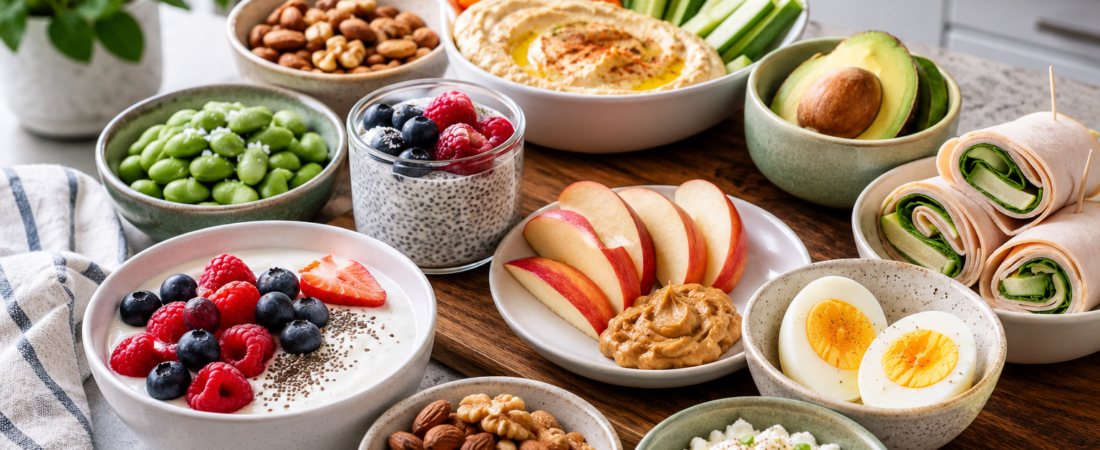
Below are some of the best snack ideas to consider if you want steadier energy and better daily wellness after 40.
1. Plain Greek Yogurt With Berries
Plain Greek yogurt is one of the easiest snacks to keep in the refrigerator.
It is rich in protein, which helps make the snack more filling. Berries add natural sweetness and fiber without relying on added sugar.
This is a much better choice than flavored yogurt, which often contains added sugar and can taste more like dessert than a health food.
Best option:
Plain, unsweetened Greek yogurt with a small handful of berries.
Simple add-ons:
Chia seeds
Walnuts
Cinnamon
Ground flaxseed
Mistake to avoid:
Do not choose flavored yogurt with added sugar. Always check the label.
2. Apple Slices With Nut Butter
An apple by itself can be a healthy snack, but pairing it with nut butter makes it more satisfying.
The apple provides fiber and natural sweetness. Nut butter adds healthy fat and some protein. Together, they create a more balanced snack than fruit alone.
Good choices:
Apple slices with peanut butter
Apple slices with almond butter
Celery with peanut butter
Portion tip:
Use about one tablespoon of nut butter. It is healthy, but it is also calorie-dense.
Mistake to avoid:
Avoid sweetened nut butters with added sugar or chocolate flavoring. Choose simple versions with minimal ingredients.
3. Hard-Boiled Eggs
Hard-boiled eggs are simple, affordable, and easy to prepare ahead of time.
They are low in carbohydrates and high in protein, which makes them a practical snack for adults who want something filling without reaching for crackers, candy, or pastries.
Simple way to use them:
Boil several eggs at the beginning of the week and keep them in the refrigerator.
Snack idea:
One or two hard-boiled eggs with cucumber slices or cherry tomatoes.
Mistake to avoid:
Do not rely only on eggs every day. Rotate your snacks so your diet stays balanced and interesting.
4. Hummus With Vegetables
Hummus with vegetables is a strong snack choice because it combines fiber, flavor, and healthy fats.
The vegetables add crunch and volume. The hummus adds creaminess and makes the snack more satisfying.
Good vegetables to pair with hummus:
Carrot sticks
Celery
Cucumber slices
Bell pepper strips
Cherry tomatoes
Broccoli florets
Simple option:
Two to four tablespoons of hummus with a plate of raw vegetables.
Mistake to avoid:
Be careful with large portions of pita chips or crackers. The hummus is usually not the problem. The refined carbs around it can add up quickly.
5. Nuts and Seeds
Nuts and seeds are convenient, portable, and satisfying.
They provide healthy fats, fiber, and some protein. This makes them a better snack than chips, cookies, or candy when you want something quick.
Good options:
Almonds
Walnuts
Pistachios
Pumpkin seeds
Sunflower seeds
Chia seeds
Portion tip:
A small handful is enough. Pre-portion nuts into small containers so you do not keep eating from a large bag.
Mistake to avoid:
Avoid candied nuts or trail mixes with lots of chocolate pieces, sweetened dried fruit, or added sugar.
6. Cottage Cheese With Berries or Cucumber
Cottage cheese is high in protein and can work as either a sweet or savory snack.
If you want something sweet, add berries and cinnamon. If you want something savory, pair it with cucumber slices, tomatoes, or black pepper.
Simple sweet option:
Cottage cheese with blueberries and cinnamon.
Simple savory option:
Cottage cheese with cucumber slices and black pepper.
Mistake to avoid:
Watch flavored versions and added toppings. Simple is usually better.
7. Chia Pudding
Chia pudding is a useful make-ahead snack because chia seeds are rich in fiber and expand when mixed with liquid.
This creates a thicker texture that can feel more filling than many sweet snacks.
Simple chia pudding:
Chia seeds
Unsweetened almond milk
Cinnamon
A few berries
Let it sit in the refrigerator for a few hours or overnight.
Mistake to avoid:
Do not turn chia pudding into dessert by adding too much honey, syrup, sweetened milk, or sugary toppings.
8. Avocado With Whole-Grain Toast or Vegetables
Avocado provides fiber and healthy fats, making it a satisfying snack when used in the right portion.
You can pair avocado with vegetables or one slice of whole-grain toast for a more balanced option.
Simple options:
Avocado with cucumber slices
Avocado with cherry tomatoes
Avocado on one slice of whole-grain toast
Avocado with a boiled egg
Mistake to avoid:
Avoid pairing avocado with a large amount of chips or white bread. The avocado is healthy, but the refined carbs can change the balance of the snack.
9. Turkey or Chicken Roll-Ups
Turkey or chicken roll-ups can be a simple high-protein snack.
They are useful when you want something savory and filling without a large meal.
Simple option:
Roll turkey or chicken slices around lettuce, cucumber, or a small slice of cheese.
Add-ons:
Spinach
Avocado
Mustard
Bell pepper strips
Mistake to avoid:
Choose lower-sodium options when possible, especially if you are watching blood pressure or overall heart health.
10. Edamame
Edamame is a plant-based snack that provides protein and fiber.
It can be eaten warm or cold and works well as a simple afternoon snack.
Simple option:
Steamed edamame with a small pinch of sea salt or herbs.
Mistake to avoid:
Do not cover it with heavy sauces or too much salt.
Snacks to Limit After 40
Some snacks are easy to overeat and may leave you hungry again soon.
You do not have to avoid them forever, but they should not be your daily default.
Common snacks to limit include:
Candy
Cookies
Pastries
Chips
Sweetened yogurt
Fruit juice
Regular soda
Granola bars with added sugar
Crackers made mostly from refined flour
Large portions of dried fruit
Sweet coffee drinks
The issue is not one snack one time. The issue is when these become the automatic choice every day.
A Better Snack Formula
Use this simple formula when choosing snacks:
Protein:
Greek yogurt, eggs, cottage cheese, turkey, chicken, edamame
Fiber:
Berries, apples, vegetables, chia seeds, beans, whole grains
Healthy fat:
Nuts, seeds, avocado, nut butter, olive oil-based dips
Examples:
Greek yogurt + berries + chia seeds
Apple slices + peanut butter
Hummus + carrots and cucumber
Hard-boiled eggs + cherry tomatoes
Cottage cheese + berries
Avocado + whole-grain toast
Nuts + a small piece of fruit
Edamame + herbs
This formula helps you avoid snacks that are mostly sugar or refined carbohydrates.
How to Snack Without Overeating
Even healthy snacks can become too much if portions are not controlled.
Try these simple habits:
Use a small bowl instead of eating from the bag.
Pre-portion nuts and seeds.
Keep washed vegetables ready.
Choose plain yogurt instead of sweetened yogurt.
Keep hard-boiled eggs prepared.
Drink water before snacking.
Ask yourself if you are hungry, tired, stressed, or bored.
Many people snack because they are tired or dehydrated, not truly hungry. A glass of water and a short walk can sometimes help before reaching for food.
When Is the Best Time to Snack?
There is no perfect snack time for everyone.
Some adults feel better with three meals and no snacks. Others do better with a small snack between meals.
A snack may be useful if:
You feel overly hungry before dinner.
You tend to grab candy in the afternoon.
You need something before or after a walk.
You go many hours between meals.
You want to avoid overeating at your next meal.
The goal is not constant eating. The goal is planned snacking instead of emergency snacking.
You may also like:
7 High-Fiber Foods for Blood Sugar Support After 40
Best Drinks for Blood Sugar Support After 40
10 Foods That May Help Support Healthy Blood Sugar Naturally After 40
Worst Morning Habits for Blood Sugar After 40
Quick Snack Checklist After 40
When choosing snacks for blood sugar support after 40, look for at least two of these three things: protein, fiber, and healthy fat.
A better snack should help you feel satisfied, not just give you quick energy for a few minutes.
Good signs:
Protein from yogurt, eggs, cottage cheese, turkey, or edamame
Fiber from berries, apples, vegetables, chia seeds, or whole grains
Healthy fats from nuts, seeds, avocado, or nut butter
Less helpful signs:
Lots of added sugar
Mostly refined flour
Very little protein
Very little fiber
Easy to overeat straight from the package
Final Thoughts
After 40, snacks can either work for you or against you.
A snack built mostly around sugar or refined carbohydrates may leave you chasing energy all afternoon. But a snack with protein, fiber, and healthy fat can help you feel more satisfied and steady.
Start with one simple swap.
Replace chips with hummus and vegetables.
Replace sweet yogurt with plain Greek yogurt and berries.
Replace candy with apple slices and nut butter.
Replace cookies with nuts and a small piece of fruit.
You do not need a perfect diet. You need better default choices.
Small snack changes, repeated consistently, can become part of a healthier routine after 40.
Medical Disclaimer: This article is for educational and informational purposes only and is not medical advice. It is not intended to diagnose, treat, cure, or prevent any disease. Always consult a qualified healthcare professional before making changes to your diet, medication, supplements, exercise routine, or health plan.